
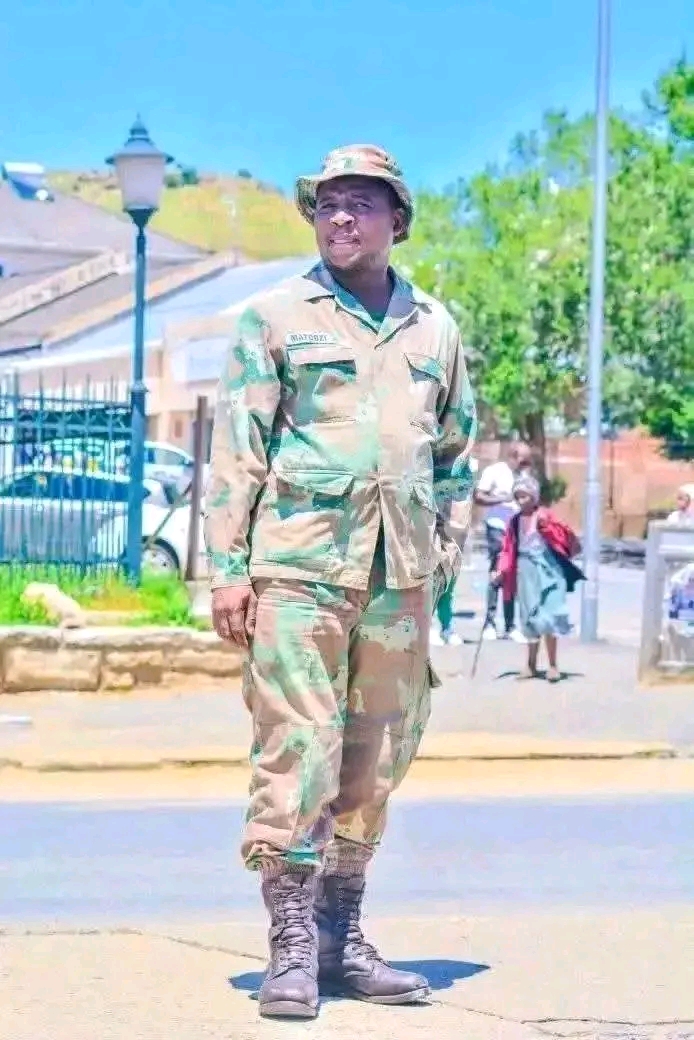
Moshe Manamela, a 38-year-old South African National Defence Force rifleman, is still reeling from the aftermath of a brutal attack by his girlfriend, Dorah Molokome.
The incident, which occurred on December 4, 2025, has left Manamela with severe burns on his head, face, and lower body, and a deep sense of vulnerability.
Molokome allegedly poured hot cooking oil over Manamela during an argument, sparking a wave of outrage and concern about gender-based violence.
Manamela, who’s still recovering from his injuries, is calling for Molokome’s bail to be revoked, citing fears for his safety.
“I don’t feel safe when she’s still out. Bail must be cancelled,” he said in an interview with Daily Sun.
The attack has significantly impacted Manamela’s life, affecting his ability to perform his duties as a soldier. “I may never perform my duties properly again. I can’t do heavy work anymore.
As a soldier, I might not even travel for deployments due to these injuries,” he expressed.
Manamela’s experience highlights the complexities of domestic violence and the challenges victims face in seeking justice.
Molokome, 28, is facing a charge of assault with intent to cause grievous bodily harm and is currently out on R2,500 bail.
Her case was postponed to April 9, 2026, for a Regional Court directive. The National Prosecuting Authority (NPA) has assured that the case will be pursued vigorously.
Manamela’s case has sparked concerns about gender-based violence, with Albert Masingi from the Limpopo Chaplaincy emphasizing that men can also be victims of abuse.
“Our stance is clear: no form of gender-based violence will be tolerated in our society. Men are also victims of abuse,” Masingi said.
Manamela’s experience is a testament to the importance of speaking out against abuse, regardless of gender.

“Abuse is abuse, whether you’re a woman or a man. We must stop keeping quiet,” he urged.
As Manamela continues to seek justice, his story serves as a reminder of the need for support and resources for victims of domestic violence.
The incident has raised questions about the effectiveness of the justice system in protecting victims and holding perpetrators accountable.
In South Africa, domestic violence is a serious issue, with many cases going unreported.
The country’s Domestic Violence Act aims to protect victims, but more needs to be done to support those affected.
Organizations like the South African National Domestic Violence Helpline offer support and resources for victims.
Manamela’s case highlights the importance of speaking out against abuse and seeking help. If you or someone you know is experiencing domestic violence, there are resources available.
The South African National Domestic Violence Helpline is available 24/7, offering support and guidance.
As the nation watches Manamela’s case unfold, there’s a growing call for justice and support for victims of domestic violence.
Manamela’s bravery in speaking out is a testament to the power of resilience and the importance of seeking help.
Support Available:- South African National Domestic Violence Helpline: 0800 150 150